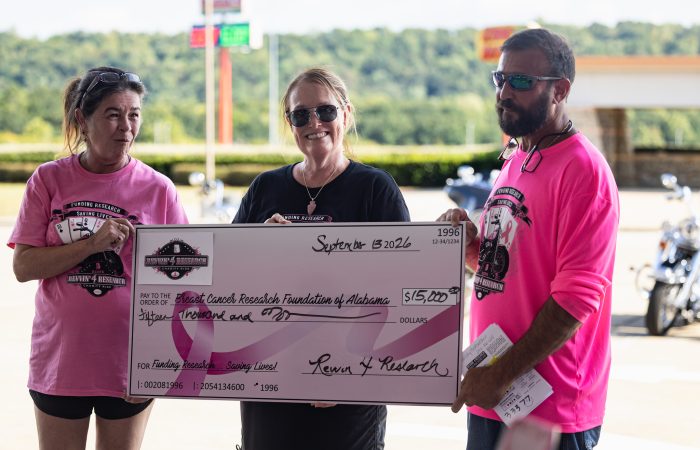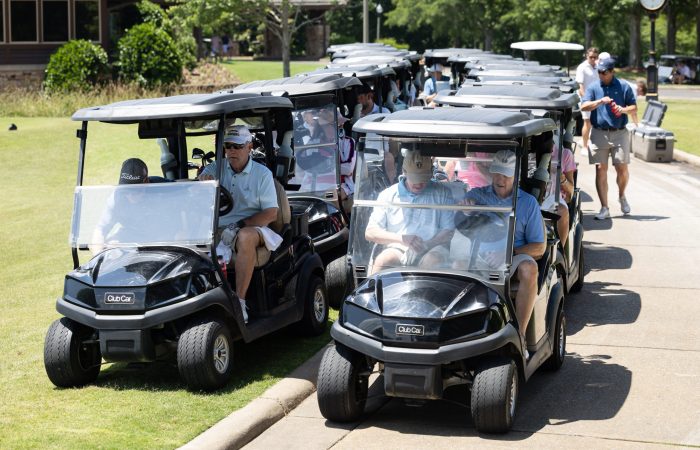
Engines roared and motorcycles rolled through Shelby County in a sea of pink on Sunday,…
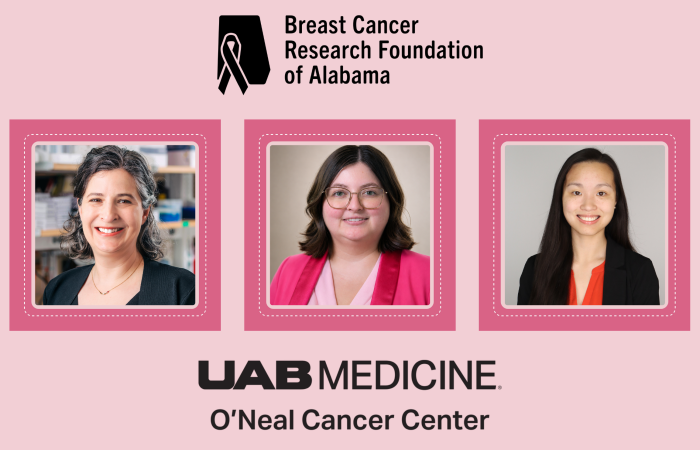
BCRFA Funds Recent O’Neal Invests & NextGen Awards at UAB
The Breast Cancer Research Foundation of Alabama is proud to support innovative breast cancer research through the O’Neal Invests Award Grants and O’Neal NextGen Scholar Awards at the O’Neal Cancer Center at the University of Alabama at Birmingham.
The O’Neal Invests Awards provides funding for unfunded population or basic science cancer research, supporting promising, high-impact projects aimed at advancing breakthroughs in cancer prevention, treatment, and survivorship. The NextGen Scholar Awards specifically support early-career investigators as they develop innovative research and build the foundation for future discoveries in the breast cancer field, while providing predoctoral students mentorship in cancer research training from O’Neal Cancer Center faculty advisors. Together, these programs help accelerate life-saving research and invest in the next generation of leaders in breast cancer research.
Through our longstanding partnership with the O’Neal Cancer Center at UAB, the Breast Cancer Research Foundation of Alabama is fully funding the awarded NextGen Scholar projects, as well as supporting the awarded O’Neal Invests project. These grants reflect the shared commitment of both institutions to advancing innovative breast cancer research within our home state.
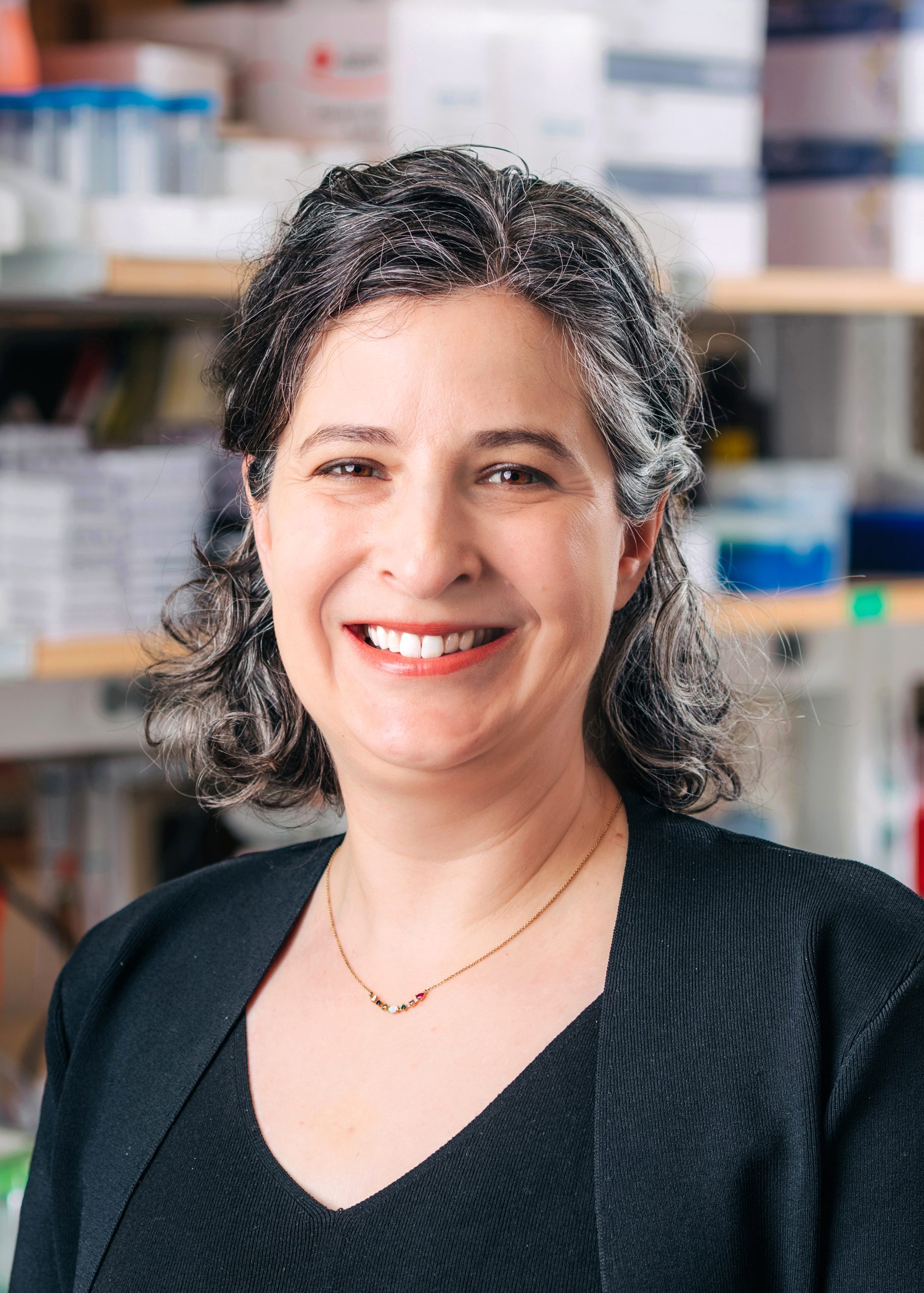
Award: The O’Neal Invests Catalyst Award
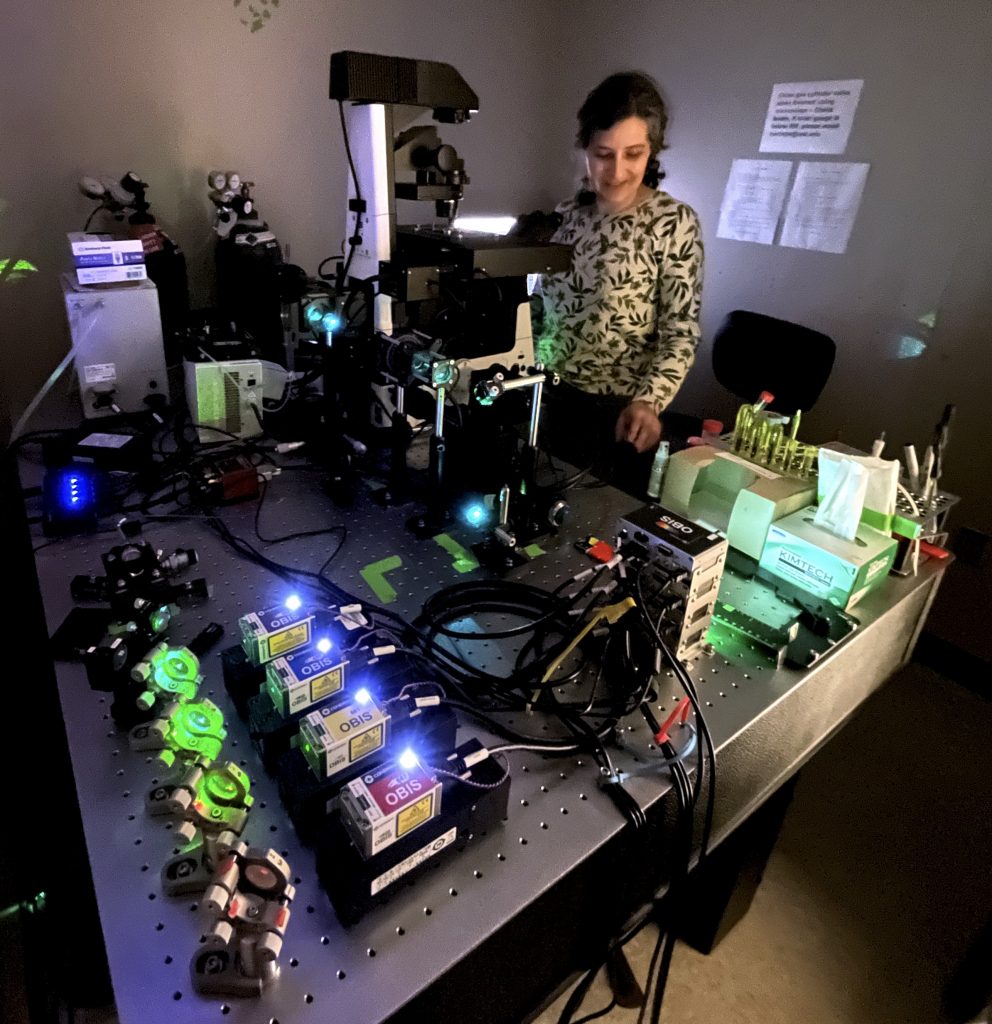
Researcher: Alexa Mattheyses, Ph.D., of the UAB Department of Cell, Developmental, and Integrative Biology.
Project Details: The conversion of cells from healthy to cancerous is associated with genetic, biochemical, and physical changes. For cancer cells to spread, or metastasize, they must first break away from their neighbors, but the mechanisms that weaken these strong cell–cell bonds are not fully understood. Desmosomes are a type of cell-cell junction essential for holding cells together, but we understand very little about how desmosomes are regulated in cancer. A sugar modifying enzyme called ST6Gal1 is increased in cancer and correlated with metastasis.
Our preliminary data shows that ST6Gal1 alters a key desmosomal protein called desmoglein 2 (Dsg2). We believe this modification weakens the desmosome “glue” that normally keeps cells together, allowing cancer cells to detach and spread. To test this idea, we will study how modified Dsg2 affects cell adhesion in cancer cells and patient samples. If successful, our findings could identify a new mechanism driving metastasis and point toward new strategies to improve cancer patient outcomes.
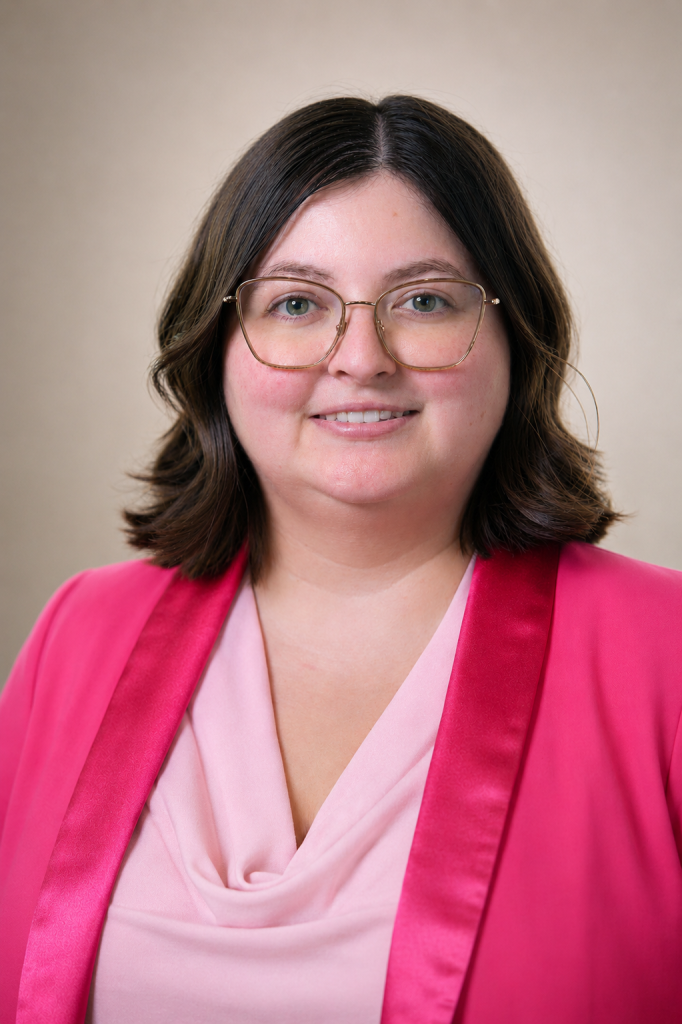
Award: The O’Neal NextGen Predoctoral Scholars Award
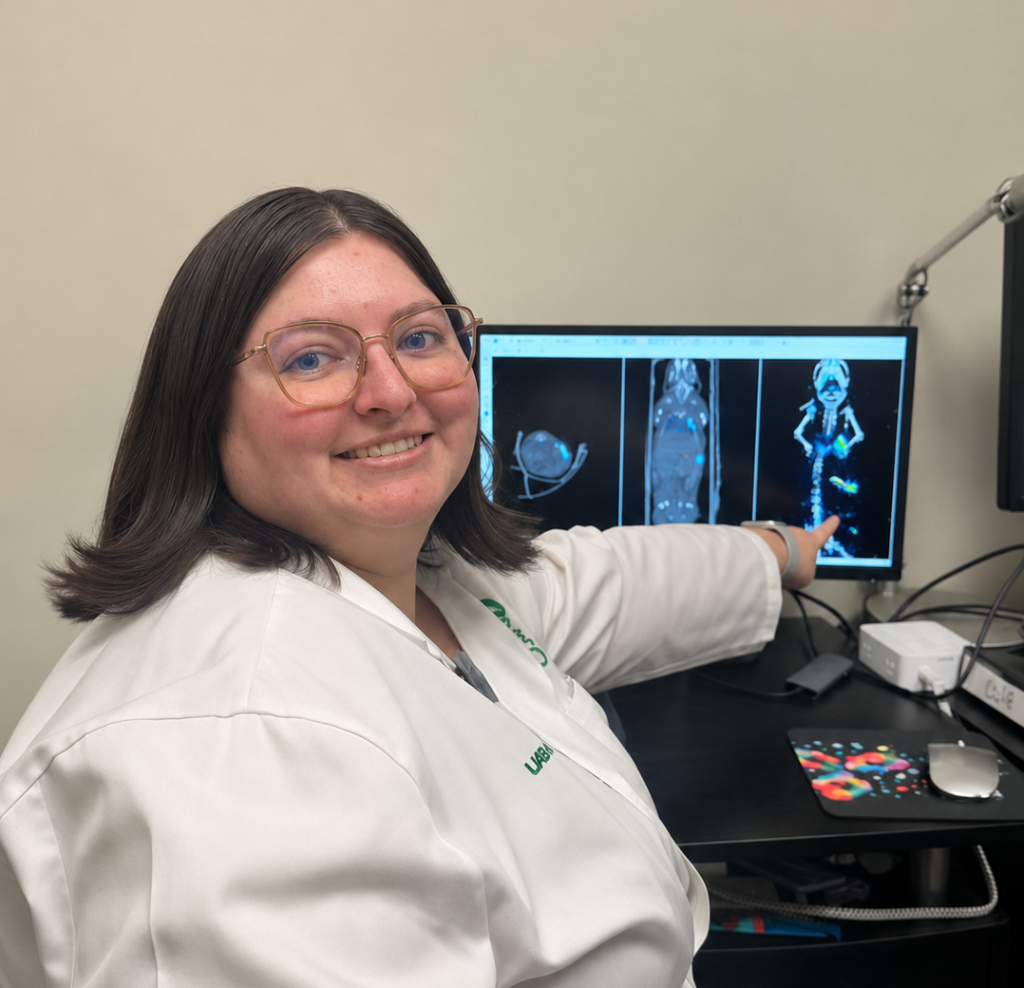
Researcher: Ayla Vaughn Embs – PhD Candidate in Cancer Biology, Department of Radiology, in the laboratory of Marquez-Nostra
Project Details: Triple negative breast cancer is an aggressive disease that is difficult to treat because it does not respond well to standard targeted therapies. Natural killer (NK) cells are part of the immune system that naturally fights cancer, but there is currently no non-invasive way to see if these cells are reaching tumors. This project aims to develop a new imaging tool that can follow NK cells by targeting a protein on their surface, NKp46.
Using this tool, we will track where NK cells go to understand whether their presence can predict earlier response to treatment. This work could help identify patients who are more likely to benefit from immunotherapy and lead to more personalized treatments.

Award: The O’Neal NextGen Predoctoral Scholars Award
Researcher: Li’an Williams – Medical Scientist Training Program student in the laboratory of Lalita Shevde-Samant, Ph.D., Endowed Professor in Experimental Cancer Therapeutics in the Division of Molecular and Cellular Pathology.
Project Details: Triple-negative breast cancer is an aggressive disease that often returns because the body’s immune system struggles to fight it off completely. This project focuses on a specific group of long-lived immune cells, called CD8 tissue-resident memory T cells, which stay inside the tumor to act as a permanent security guard against cancer cells.
We are investigating how a specific cellular communication pathway, known as Hedgehog signaling, weakens these immune cells. By uncovering how this happens, our research aims to find new ways to re-energize these protective cells, helping the body maintain a powerful, lasting shield that prevents breast cancer from ever coming back.
About the Breast Cancer Research Foundation of Alabama
Founded in 1996, the Breast Cancer Research Foundation of Alabama (BCRFA) is a nonprofit organization whose mission is to find a cure for breast cancer by funding promising breast cancer research in Alabama and raising community awareness and funding for that research. BCRFA funds promote a comprehensive approach to battling breast cancer by promoting collaborative and innovative research to help diagnose, treat, prevent, and eradicate the disease. Thanks to generous community support, BCRFA’s lifetime investment in life-saving research totals over $17 million. All funding stays in Alabama, but the impact is worldwide. Learn more about our mission and breakthroughs at www.bcrfa.org.
Related Posts