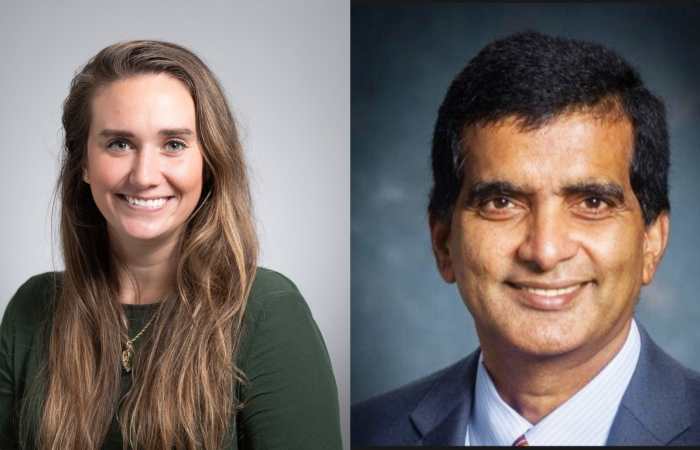
The Breast Cancer Research Foundation of Alabama (BCRFA) is proud to announce the funding approval of two new projects at the O’Neal Comprehensive Cancer Center at UAB. BCRFA’s 2025 investment in these projects totals $130,000.
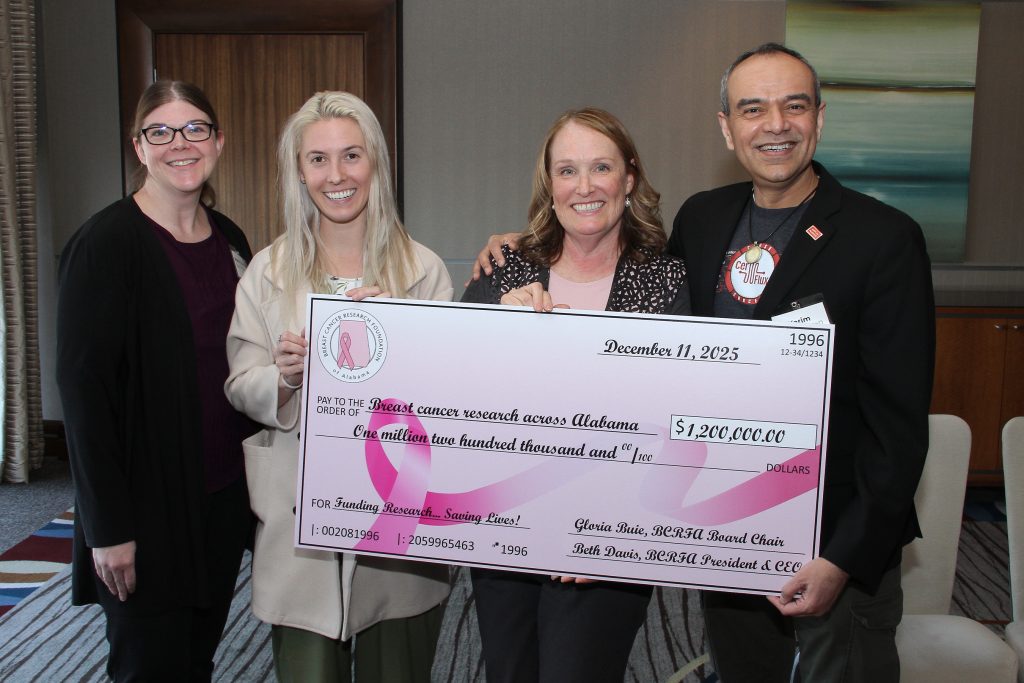
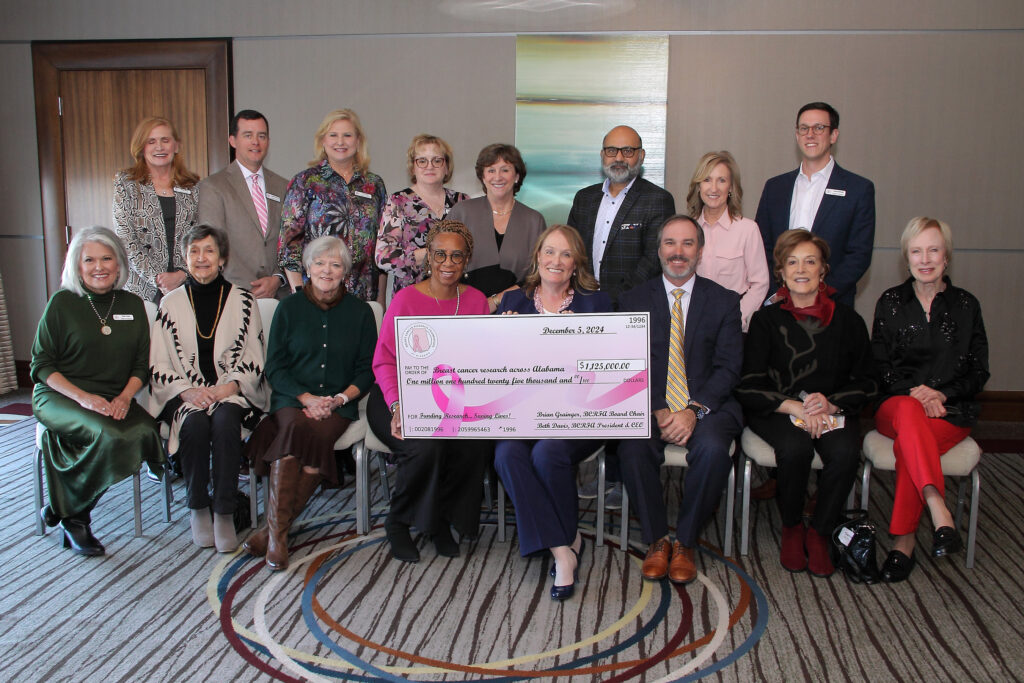
$1.2 Million Investment Will Advance Lifesaving Breast Cancer Research
Grants from the breast cancer research foundation of alabama will support 25 research initiatives statewide
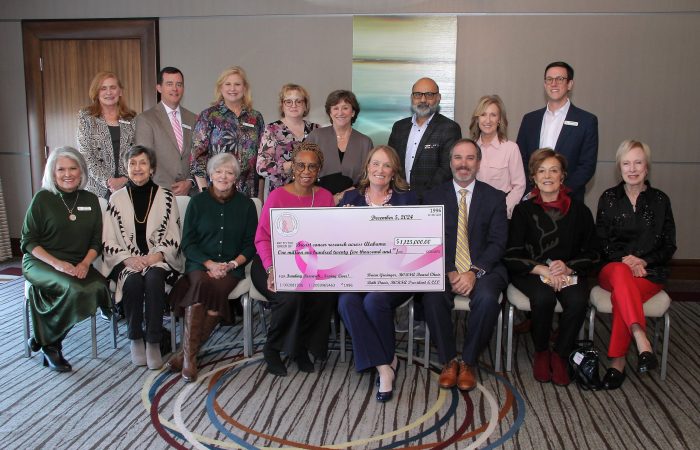
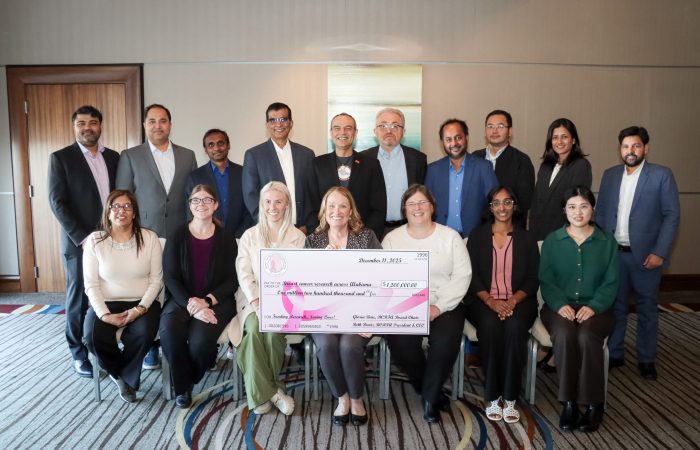
The Breast Cancer Research Foundation of Alabama (BCRFA) announces a continued commitment to advancing breast cancer research in 2025 with an impressive $1,200,000 investment. This funding will support 25 projects at nine reputable institutions throughout the state, enabling lifesaving breast cancer research to occur. Among the beneficiaries are Alabama State University, Auburn University, Auburn University at Montgomery, CerFlux, HudsonAlpha Institute for Biotechnology, Tuskegee University, O’Neal Cancer Center at the University of Alabama at Birmingham (UAB), University of Alabama, and Mitchell Cancer Institute at the University of South Alabama.
These grants represent a landmark moment for the BCRFA, pushing its cumulative investment in breast cancer research to over $17 million since its inception in 1996. Beth Davis, President & CEO of BCRFA, highlighted the organization’s enduring commitment to progressing breast cancer research: “This year’s $1,200,000 investment underscores our ongoing reputation as a driving force behind impactful research in Alabama. From early detection to innovations in treatment, our support for these projects allows increased hope and better possibilities for those in Alabama and beyond who are fighting breast cancer.”
Barry P. Sleckman, M.D., Ph.D., Director of the O’Neal Cancer Center at UAB, affirmed the importance of BCRFA’s support: “The Breast Cancer Research Foundation of Alabama consistently fuels progress in the fight against breast cancer, both here in Alabama and elsewhere. This investment will advance the work of UAB researchers and partners across the state. We are truly thankful for their unwavering support.”
BCRFA funding provides crucial early-stage support that helps researchers generate the preliminary data needed to compete for national grants. Many BCRFA-backed projects have gone on to secure multimillion-dollar awards from organizations such as the National Institutes of Health, amplifying the significance of BRCFA’s investments in Alabama.
The 2025 recipients represent a diverse and talented group poised to drive major advancements in breast cancer research, fostering innovative solutions and improved patient care.
The 2025 grantees include:
Alabama State University (Montgomery, AL)
- Dr. Parul Dubey: Bridging the gap: Integrating genetic insights and FDA-approved therapies to revolutionize treatment for African American breast cancer
- Dr. Sreelakshmi Krishnakumar: Mechanistic analysis of alcohol-induced hormone dysregulation and oncogenesis in human 3D organoids
- Dr. Manoj Mishra: Nanostructured copper oxide aptasensor for noninvasive early detection of 8-oxo-dG In breast cancer diagnosis
Auburn University (Auburn, AL)
- Dr. Angela Calderon: Concomitant use of acai botanical dietary supplements with anticancer drug produces vascular adverse events in breast cancer patients: An in vitro assessment
- Dr. Rashad Karimov and Dr. Alexei Kisselev: Novel antibody-drug conjugates for the treatment of triple-negative breast cancer
- Dr. Miranda Reed: Mitigating doxorubicin-induced cognitive impairment: targeting glutamate modulation to preserve synaptic plasticity and memory
- Dr. Maninder Sandey and Dr. Deepa Bedi (Tuskegee University): Combining macrophage modulation, PD-1 blockade, and 4-1BB agonism for TNBC therapy
Auburn University at Montgomery (Montgomery, AL)
- Dr. FNU Shivakant: Systemic immunosuppression in triple-negative breast cancer: Insights from plasma extracellular vesicle amino acids
CerFlux (Birmingham, AL)
- Dr. Karim Budhwani: Elucidating the role of obesity-associated tumor microenvironment in the TNBC chemoresistance
HudsonAlpha Institute for Biotechnology (Huntsville, AL)
- Dr. Sara Cooper: Identification of rare and population specific regulatory variation contributing to inherited breast cancer risk
Tuskegee University (Tuskegee, AL)
- Dr. Fengyuan Huang: Obesity as a driver of breast cancer: genomic alterations and microenvironmental reprogramming
University of Alabama at Birmingham
O’Neal Cancer Center (Birmingham, AL)
- Dr. Nicole Henderson: Communication of next-generation sequencing (NGS) results in women’s cancer care
- Dr. Xiuxiu Li: Targeting BMX kinase to reverse endocrine therapy resistance in ER+/HER2– breast cancer
- Dr. Bart Rose, Dr. Benjamin Larimer, and Dr. Michael Niederweis: Validation and rapid detection of calreticulin as a cancer biomarker
- Dr. Gabrielle Rocque and Dr. Chloe Taub: WISE Remote Symptom Monitoring for Breast Cancer Survivors: Wearable Integration for Sleep Enhancement
- Dr. Humaira Sarfraz: Phase II single arm trial of low dose capecitabine in patients with advanced breast cancer
- Dr. Mary Kathryn Sewell-Loftin: The Role of Biomechanical Regulation in Triple Negative Breast Cancer
- Dr. Sooryanarayana Varambally: Evaluation of ATPase TRIP13 as biomarker in breast cancers and investigation of its functions
- Dr. Sooryanarayana Varambally: MammOnc-DB: Expansion of a comprehensive breast cancer platform for data analysis, integration and visualization
- Dr. Jia Xu—Synergistic antitumor effect of combined EZH2 and aurora kinases inhibition in triple-negative breast cancer
University of Alabama (Tuscaloosa, AL)
- Dr. Sumiran Kumar Gurung: Tumor intrinsic regulation of brain metastatic breast cancer dormancy
- Dr. Yonghyun Kim: Targeting the type VI collagen axis in a bioengineered triple-negative breast cancer organoid model
- Dr. John Victor Napoleon: Design, Synthesis and Testing of Novel Tumor Associated Macrophage Reprograming Agents in TNBC Tumor Model
University of South Alabama
Mitchell Cancer Institute (Mobile, AL)
- Dr. Debanjan Chakroborty: WNK1 and matrix stiffness: Exploring a novel axis in breast cancer progression
- Dr. Prabhat Suman: Investigating the role of WNT7b in triple-negative breast cancer progression
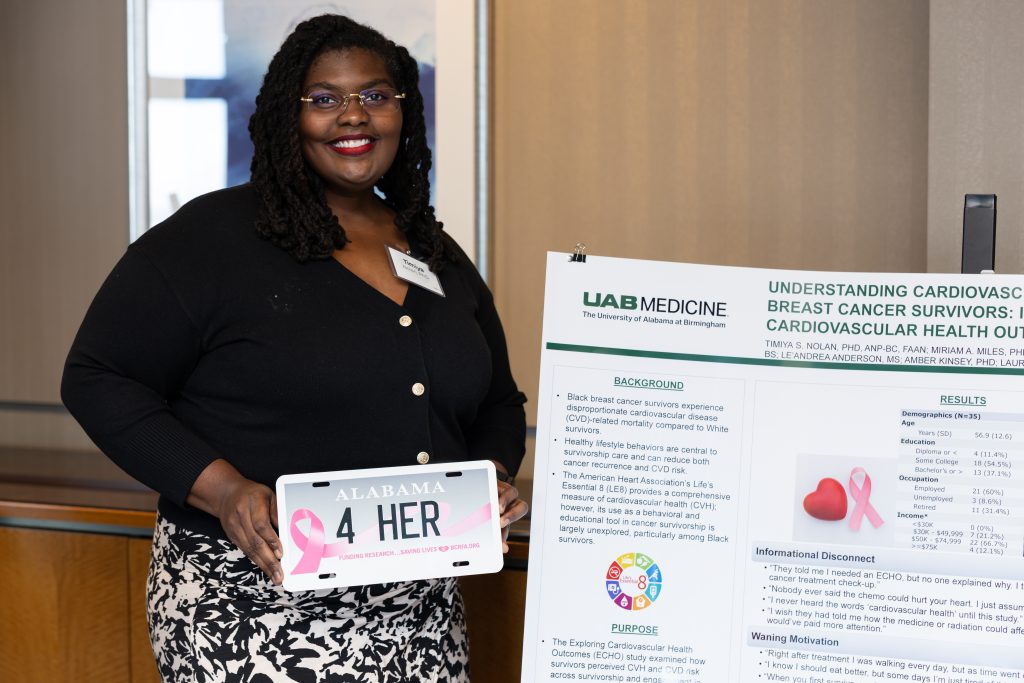
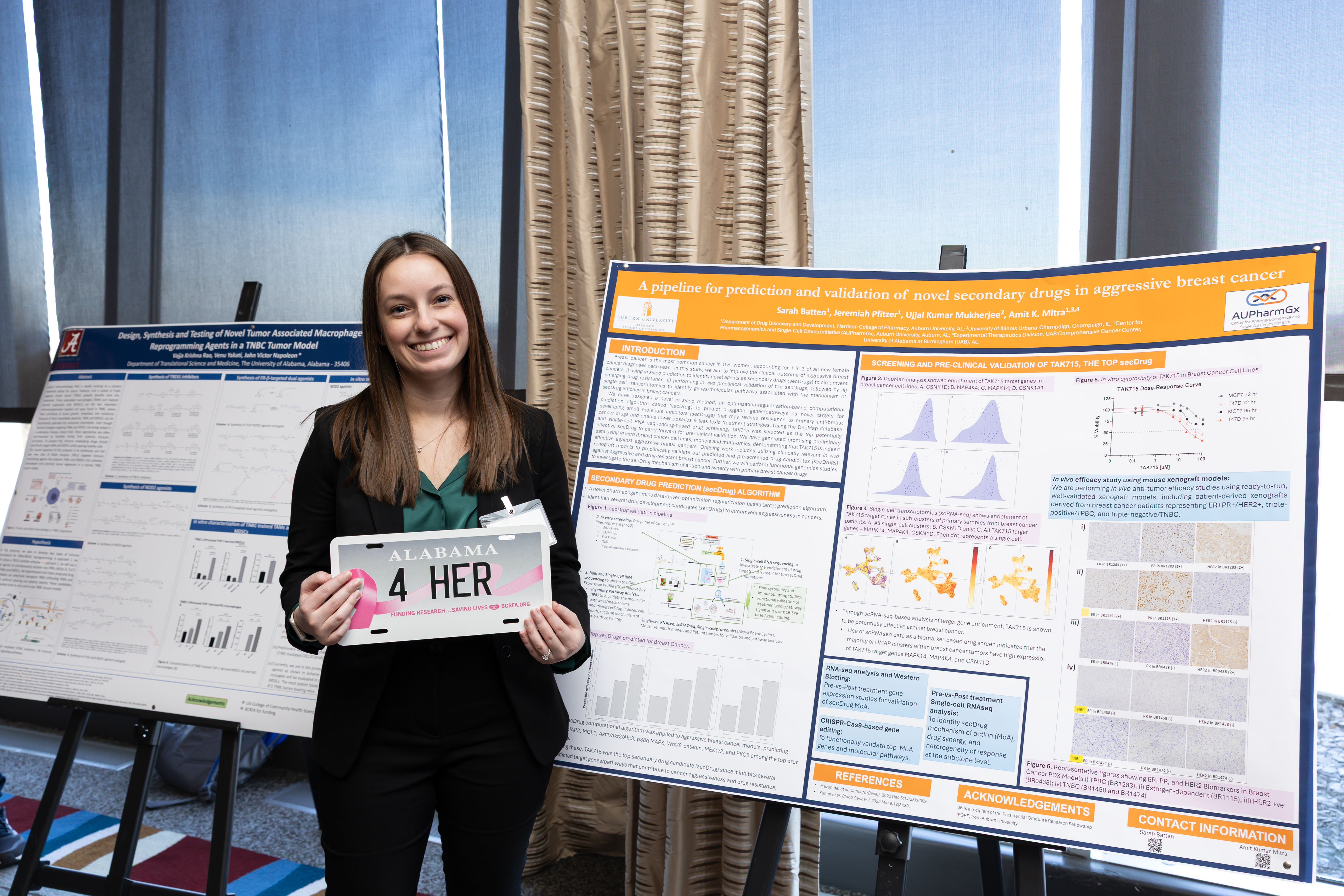
BCRFA funding is made possible with support from corporate and community partners, local and state funders, event patrons, generous individual donors, and registrations for the Breast Cancer Research specialty license plate. Available at DMVs across the state, over 15,000 vehicles in Alabama sport the Breast Cancer Research tag. One hundred percent of tag sale proceeds received by the BCRFA support local, lifesaving research.

About the Breast Cancer Research Foundation of Alabama
Founded in 1996, the Breast Cancer Research Foundation of Alabama (BCRFA) is a nonprofit organization whose mission is to find a cure for breast cancer by funding promising breast cancer research in Alabama and raising community awareness and funding for that research. BCRFA funds promote a comprehensive approach to battling breast cancer by fueling collaborative and innovative research to help diagnose, treat, prevent, and eradicate the disease. Thanks to generous community support, BCRFA’s lifetime investment in lifesaving research is over $17 million. All funding stays in Alabama, but the impact is worldwide. Learn more about our mission and breakthroughs at www.bcrfa.org.
Related Posts