
How We Support Breast Cancer Research
Over $15 million invested in Alabama-based breast cancer research since 1996.
The Breast Cancer Research Foundation of Alabama funds local, lifesaving breast cancer research at institutes across the state.
UPCOMING EVENTS
Join Us For Our Fundraising & Awareness Events
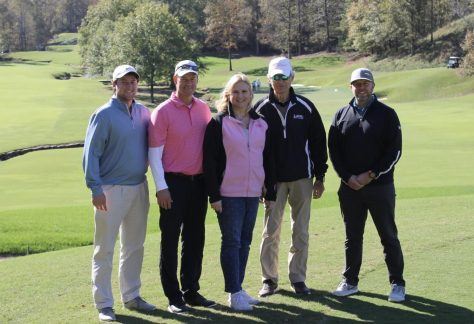
Drive-Out Breast Cancer Golf Tournament
Old Overton Club
7251 Old Overton Club Drive Vestavia Hills, AL 35242
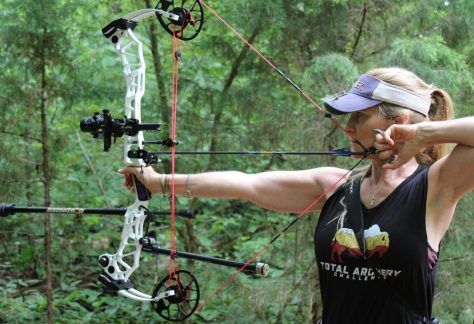
Bow Up Against Breast Cancer 3D Archery Tournament
Cullman Archery Park
2604 Co Rd 490, Cullman, AL 35055

Disc Golf Goes Pink
Calera, Alabama
Oliver Park and George W. Roy Recreational Park
Revvin’ for Research
Heart of Dixie Harley-Davidson
333 Cahaba Valley Pkwy N, Pelham, AL 35124
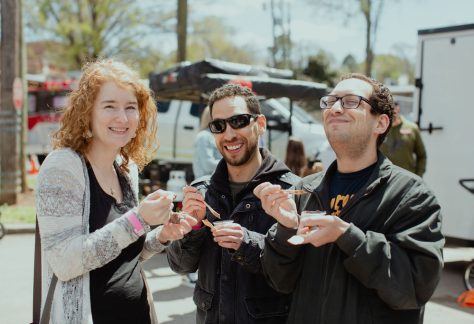
CahabaQue BBQ Cook-Off
Cahaba Brewing Co.
4500 5th Ave South, Building C, Birmingham, Alabama 35222
NEWS & BREAKTHROUGHS
BCRFA Funds O’Neal Cancer Research with Recent Grants
The BCRFA is pleased to announce $210,000 in funding to O’Neal Comprehensive Cancer Center at…

BCRFA Funds UAB Research on Exercise, Gut Microbiome, and Breast Cancer: Increasing Reach to Underserved Populations (EMBRACE)
Dr. Laura Rogers, Professor in the Division of Preventive Medicine, Department of Medicine at the University of Alabama…
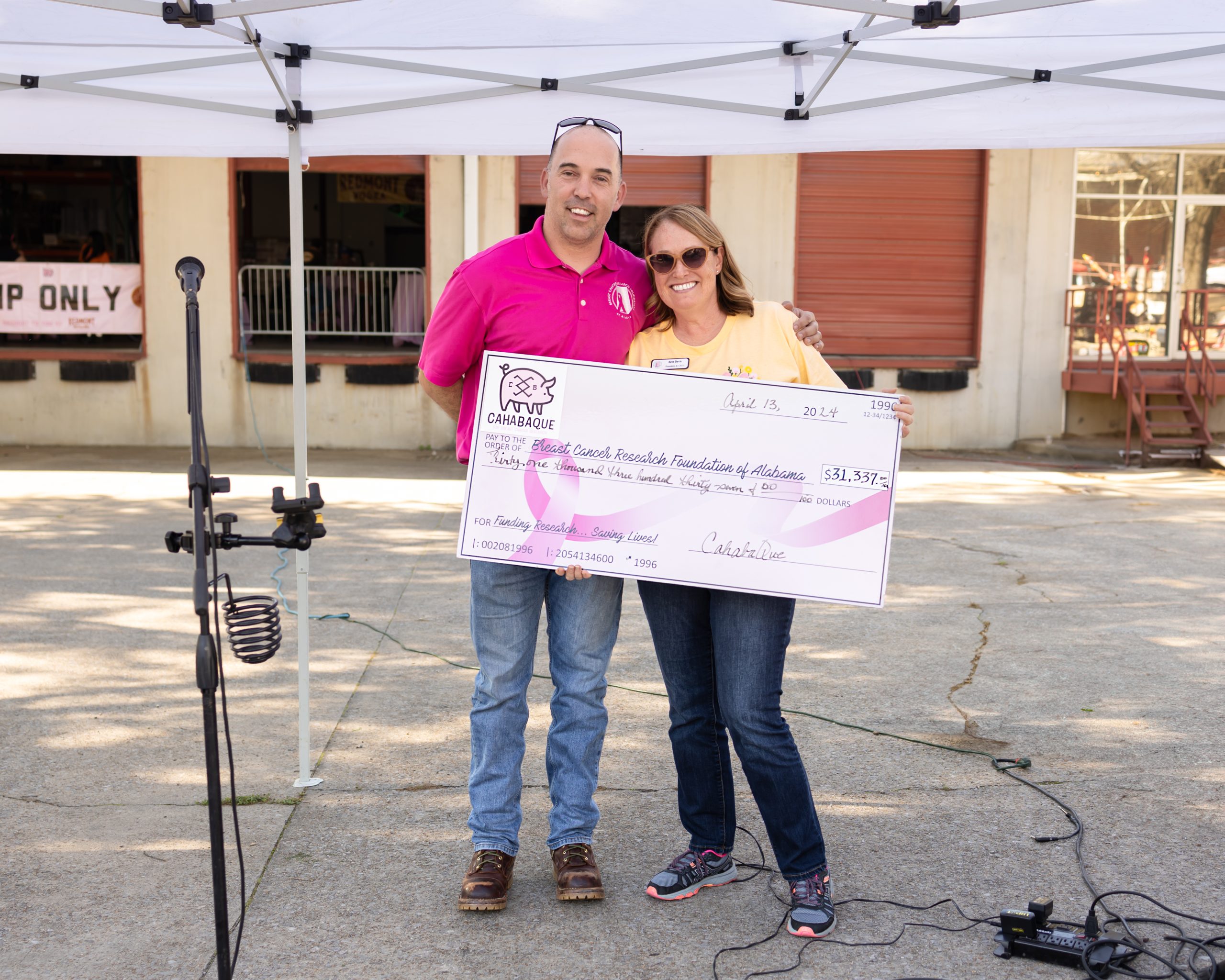
Flamin’ Hot News: CahabaQue BBQ Cook-Off Raises Over $31,000 for Local Breast Cancer Research
Cahaba Brewing Company and the Breast Cancer Research Foundation of Alabama (BCRFA) have announced the…